THE PETCHECK LIBRARY
Little signs.
A closer look.
DOG & CAT STOOL GUIDES
Find words for the changes you notice.
Non-diagnostic guides to color, texture and change.
Find your next read
20 reads
20 guides · 0 notes Start here
A color is a clue
Compare seven color descriptions—and learn what a color alone cannot tell you.
Loose or watery stool
Diarrhea but acting normal? Separate watery stool, straining and recurring episodes.
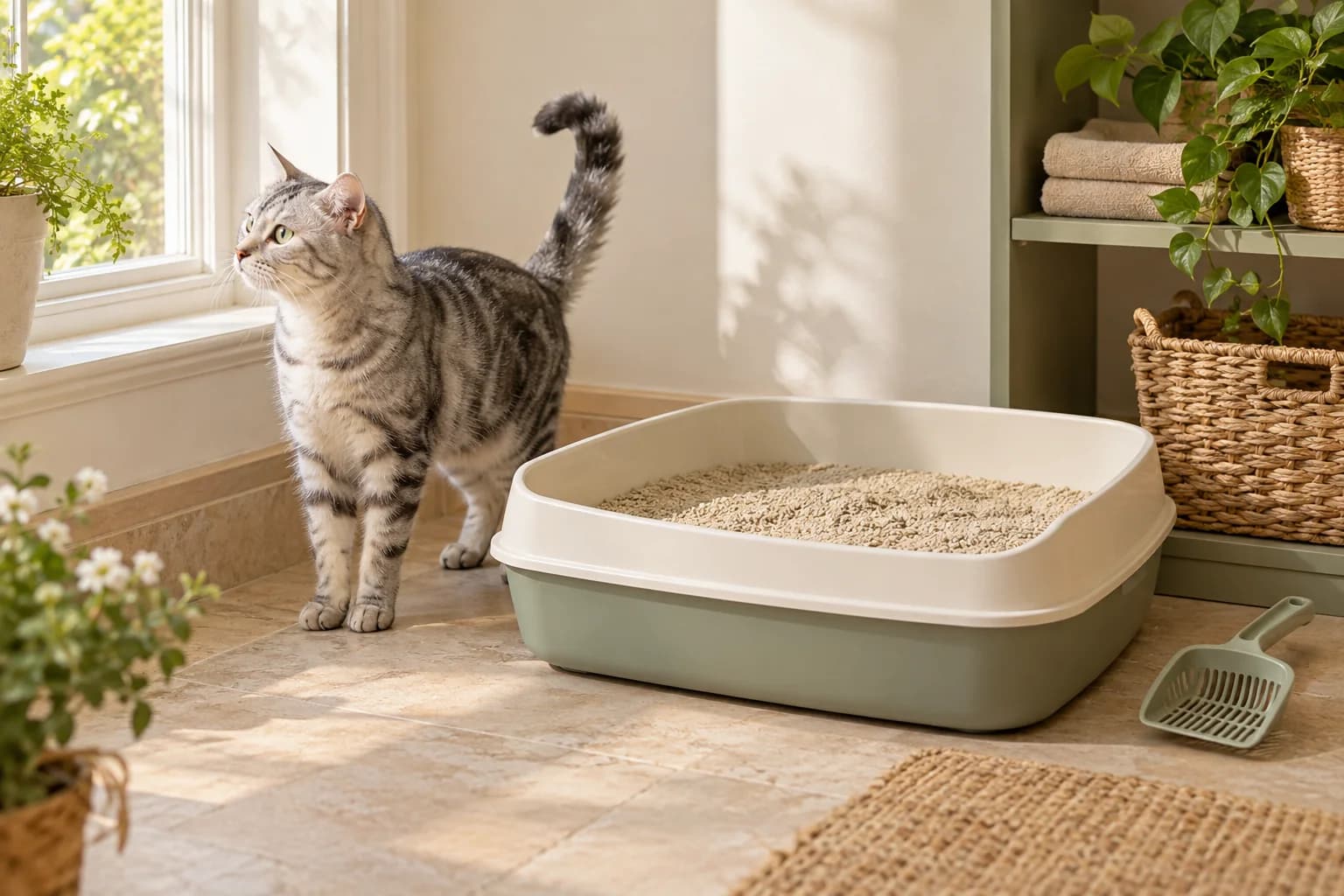
What the litter box shows
Separate stool, litter, and the cat’s behavior—especially with a shared box.
Yellow stool
Look beyond the shade: record appetite, water loss, and timing.
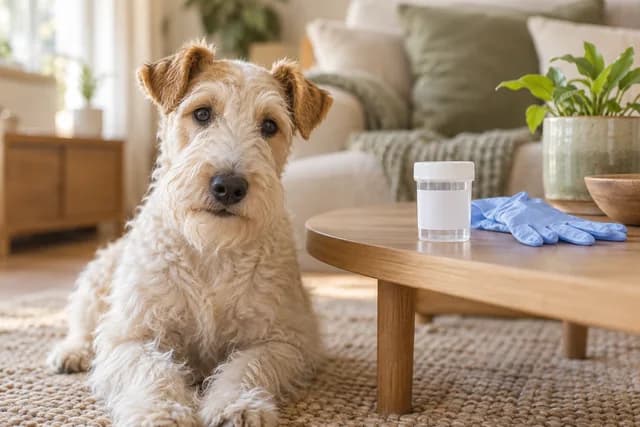
White specks
Understand why visible pieces and microscopic evidence are different clues.
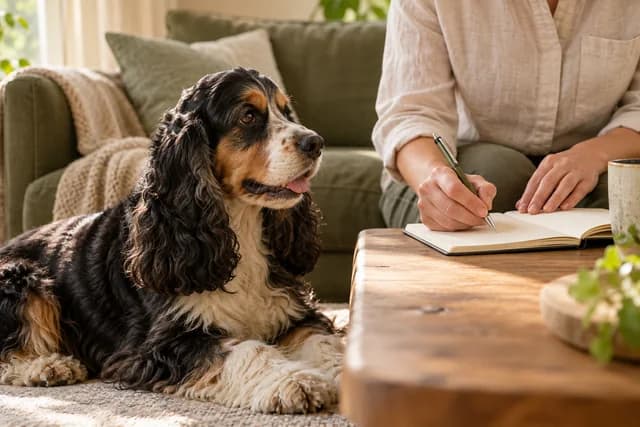
A mucus-like coating
Describe the coating, then add the other changes you noticed.

A sudden change
Build a timeline without mistaking a recent change for a proven cause.
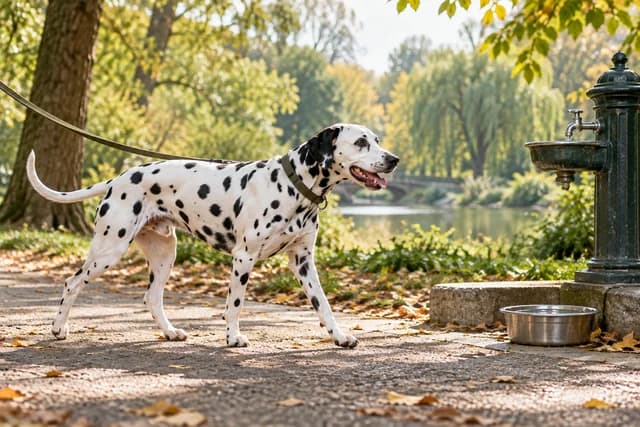
Hard, dry stool
Understand moisture, movement, and passage before choosing a remedy.
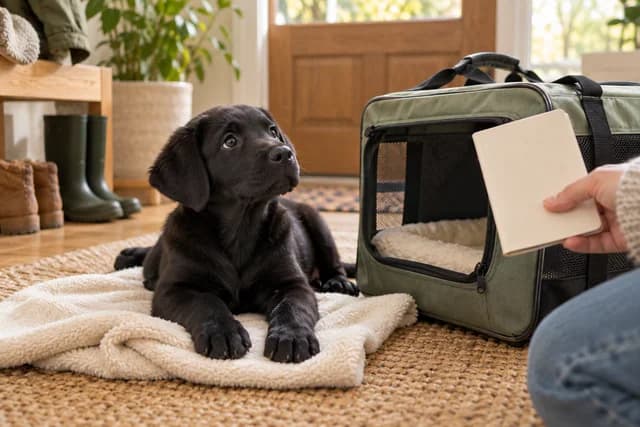
Puppy stool, bigger context
Learn why a chart or one vaccine date is not an all-clear.

Red streaks or marks
Learn why appearance cannot measure blood loss—and why care comes first.
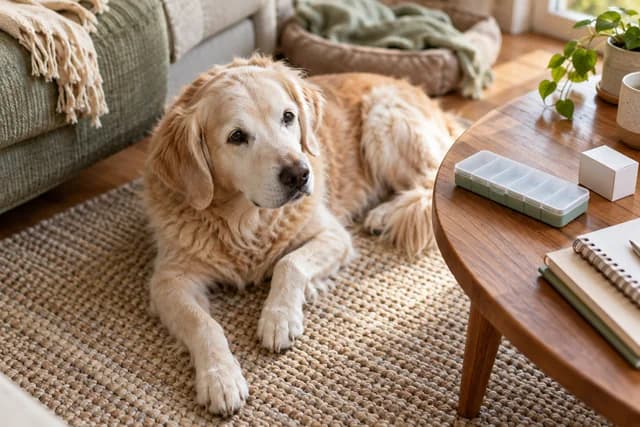
Black or tarry-looking stool
Know why medicine history and the whole dog matter, not just the color.

Green stool
Keep the color separate from a possible exposure that needs prompt advice.
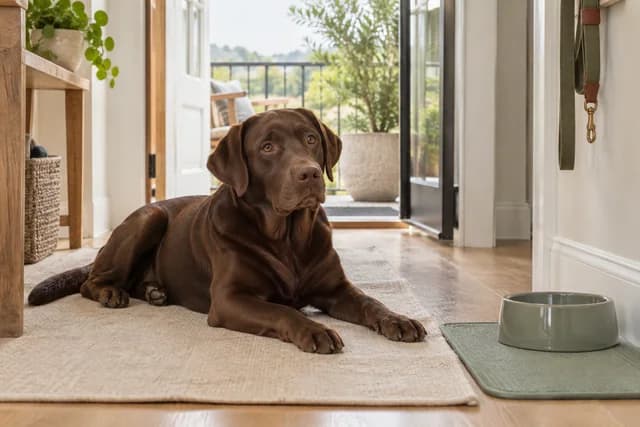
Brown, with context
Put shade, texture, and other changes in the same record.
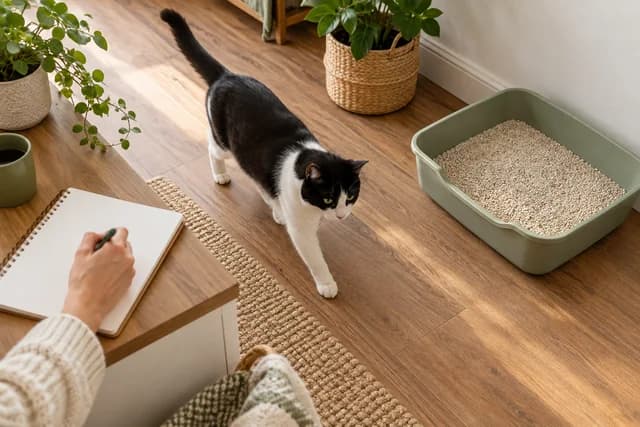
A coating in cat stool
Record the coating, how often it appears, and changes in your cat.
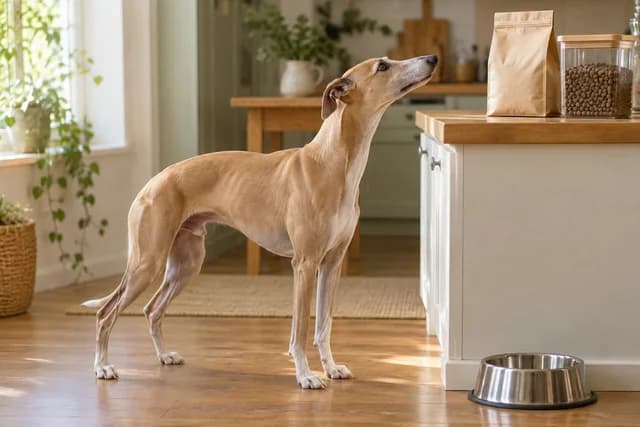
A shiny or greasy surface
Separate surface appearance from food timing and other changes.
Going more often
Track frequency alongside texture and the way your dog is acting.
A gap between stools
Record time since the last stool, repeated effort, and other signs.
An unfamiliar smell
Note an odor change alongside diet, texture, and your dog’s behavior.
Worm-like shapes
Document visible pieces and movement to discuss with your veterinarian.
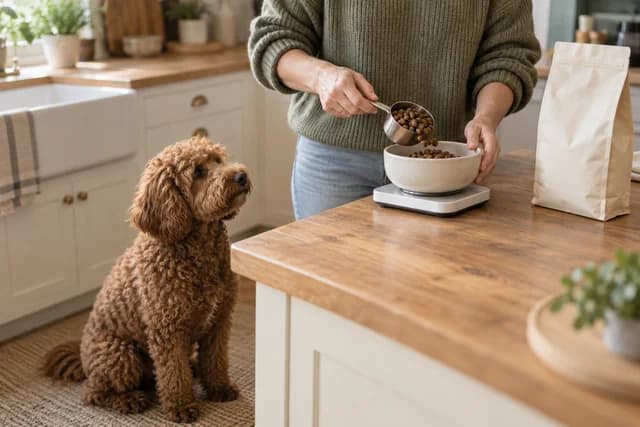
Food-like pieces
Record visible particles and recent food changes without naming a cause.
Education, not diagnosis. If your pet seems unwell, contact your veterinarian rather than waiting to read a guide.
About the images
Each guide now has its own AI-created editorial scene and a different detail image inside the article. These imagined everyday situations show observation and preparation. They are not actual patients, stool specimens, product tests or clinical evidence.
Educational diagrams inside the articles explain specific ideas. Read their captions and the sources alongside them; appearance alone does not establish a diagnosis.
Look closely.
Keep the context.
A paper supports only the population, method, and outcome it actually studied. PetCheck does not turn puppy photo scoring into a universal medical claim, or transfer a dog threshold directly to cats. Population, study design, measurement, and limitations remain available in every evidence card.
A small moment.
A clearer record.
Use the same observation language on your own photo. Confirm visible signals, add appetite, energy, vomiting, water, pain, and frequency, then receive one non-diagnostic next step. No account required.