PRODUCT SAFETY · FLEAS & TICKS
How do I use flea and tick products safely around my pets?
Check the exact pet, product, weight range and directions before use, then keep a clear record of the application and any reaction.
THE DIRECT ANSWER
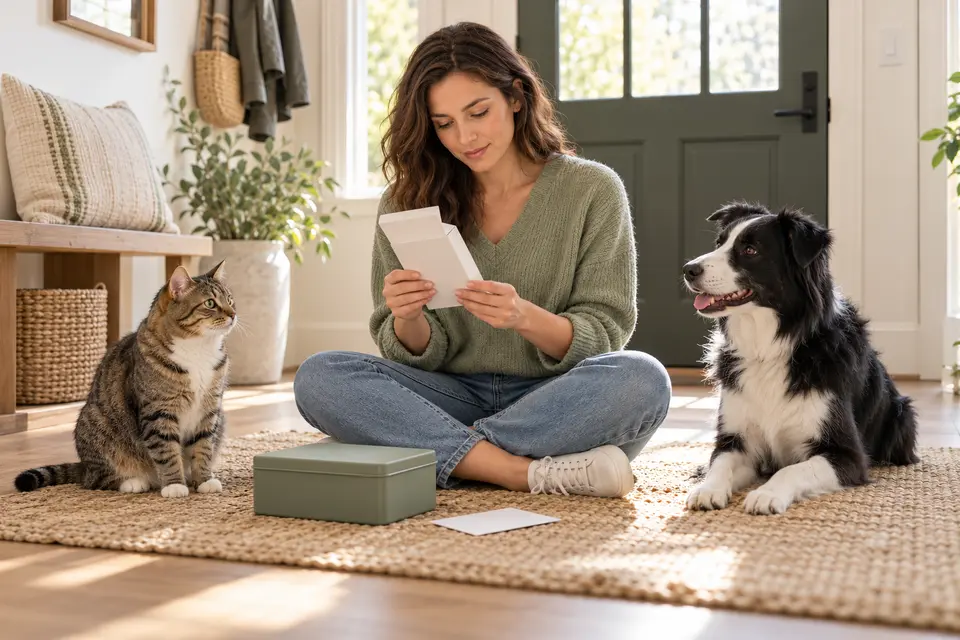
Use only a flea or tick product chosen for the exact animal and follow its current label or veterinary directions every time. Match species, age and weight range; do not split, combine, repeat early or substitute a dog product for a cat product. In a multi-pet home, follow separation and drying precautions on the label. If a reaction is suspected, follow the label's first-aid statement and contact a veterinarian promptly.
Sources: US EPA: Controlling Fleas and Ticks on Your Pet · FDA: Safe Use of Flea and Tick Products in Pets · US EPA: What to Do if Your Pet Has an Adverse Reaction
A familiar brand name is not a complete match
EPA tells owners to use flea and tick products only on the species and size or weight shown on the label. Dog and cat versions can have materially different directions and hazards. The package front alone may not contain everything needed for a safe decision.
Before opening anything, identify the pet, species, current weight used for the decision, exact product and formulation, and the label's age and weight range. If any item is unclear, pause and ask the veterinarian or manufacturer instead of matching by box color.
This worksheet records a comparison; it does not recommend a product or dose. Prescription and nonprescription options have different oversight and directions, and only the actual label and veterinary plan can resolve an individual use.
| Check | Use the actual source | Stop if |
|---|---|---|
| Pet | Name and species | The package is for another species |
| Eligibility | Current age and weight range on label | The animal falls outside a stated range |
| Product | Exact formulation, strength and package | Only the brand family is known |
| Timing | Previous application and label interval | The last date is uncertain or another product overlaps |
| Household precautions | Contact, drying, child and other-pet directions | You cannot follow the stated separation or handling steps |
Sources: US EPA: Controlling Fleas and Ticks on Your Pet · FDA: Safe Use of Flea and Tick Products in Pets
Make one record for one pet and one product
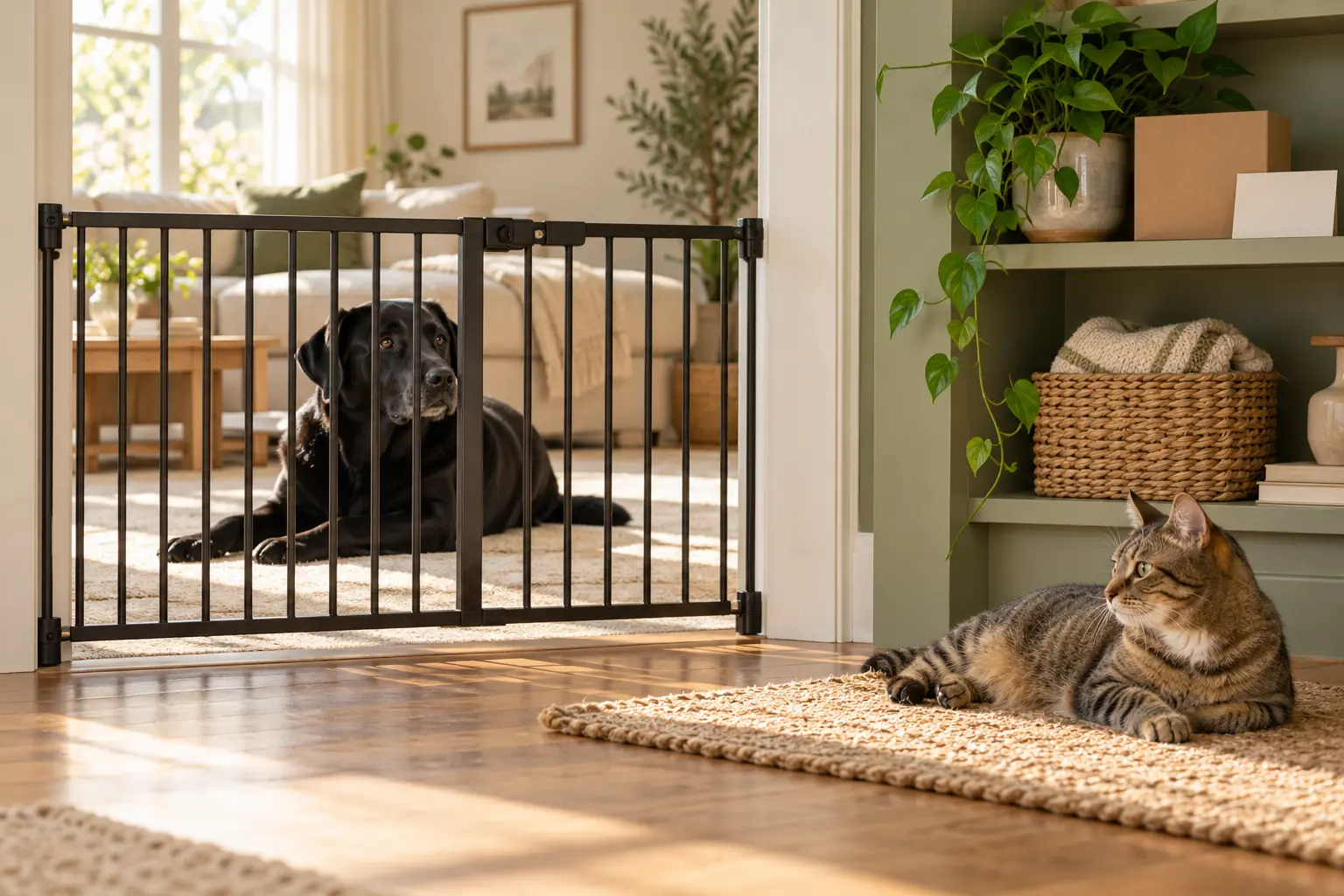
FDA advises applying spray or spot-on products to one pet at a time and keeping treated animals separated as the product directs, especially where a dog-only product and a cat share a home. Do not invent a universal drying time; products differ.
Record the application only after it occurred. Include exact product, pet, date, time and who applied it. A scheduled date is not an administered dose, and an open package is not proof of use.
Keep packaging or a clear label record so a veterinarian can identify the product if there is a question. Do not move doses into unmarked containers or discard the lot and contact information before the observation period has passed.
A fictional two-pet handoff
Fictional example: Riley has dog Moss and cat Juniper. Two similar cartons are on the shelf, but Riley reads the full labels and sees they are not interchangeable. The previous application date for Moss is missing from the notebook.
Riley does not guess the interval or give both products together. The dog entry remains 'date unresolved' until the previous record or clinic guidance is found. Juniper's product stays sealed while its own eligibility and timing are checked.
This example contains no real active ingredient, dose or recommended interval. Its purpose is to show that uncertainty should remain visible rather than being converted into an invented date.
| Pet | Known | Unresolved | Action |
|---|---|---|---|
| Moss, dog | Exact dog product and current weight | Previous application date | Pause and verify timing |
| Juniper, cat | Exact cat package remains sealed | Eligibility and household precautions not yet reviewed | Read full label and ask if unclear |
| Household | Pets can be separated | Required duration depends on product | Use the actual label, not a universal rule |
Know where the reaction instructions are before use
EPA's adverse-reaction page lists possible skin, gastrointestinal and nervous-system effects and directs owners to the precautionary statement and a veterinarian immediately. First-aid directions can vary, so keep the exact label available.
FDA notes that isoxazoline-class drugs have been associated with neurologic adverse reactions in some dogs and cats, while also describing approved products as safe and effective for most animals. That fact sheet is a reason for an individual veterinary conversation, not a claim that every flea product has the same risk.
If something happens, record the product, time, signs observed and action taken after contacting care. Do not retry the product to confirm a suspicion and do not use the notebook as an incident-reporting substitute.
Sources: US EPA: What to Do if Your Pet Has an Adverse Reaction · FDA: Isoxazoline flea and tick product fact sheet
Hand off facts without creating a new regimen
A sitter needs to know whether a product is due under an existing plan, who is responsible, and whom to call with questions. They should not be asked to choose between similar packages or calculate a new interval.
My Pet Notes can store a manual browser-local record. It does not verify a product, detect interactions, send a reminder or report an adverse event. Review the current label and veterinary directions at each use.
Keep topical-product storage questions with the exact package, separate from pet-food and human-medicine storage. Secure storage must follow the label and keep products away from children and animals.
- Species, age and current weight range match.
- The exact product and previous date are known.
- Household separation and handling directions can be followed.
- The label and veterinary contact are available if a reaction occurs.
FROM THE GUIDE · INTO THEIR EVERYDAY
A product-use record
Keep the exact pet, label and completed application together. This does not choose a product or interval.
Draft my product recordChoose their notebook, add your own details, then save. Free, no account. Notes stay in this browser.
THE NEXT QUESTIONS
What else might you be wondering?
Can I use a dog flea product on my cat if the amount is smaller?
No. Use products only for the species and size or weight stated on the label. Do not divide or substitute a dog product for a cat product.
How long should pets stay separated after a topical product?
Use the exact label's directions. This guide does not create one drying or separation time for every formulation.
Should I repeat a dose if I am not sure it was applied correctly?
Do not repeat or combine products from this guide. Contact the veterinarian or manufacturer with the product and application details.
LOOK CLOSER AT THE EVIDENCE
Sources & what they establish
Official guidance, research findings and PetCheck’s practical interpretations have different roles. These notes explain how the sources were used.
Federal pesticide guidance
EPA label and reaction guidance
Supports species, weight, label and adverse-reaction checks.
Limit: Cannot decide which product is appropriate for an individual animal.
Sources: US EPA: Controlling Fleas and Ticks on Your Pet · US EPA: What to Do if Your Pet Has an Adverse Reaction
Federal animal-drug guidance
FDA multi-pet and isoxazoline information
Supports product-specific precautions and veterinary discussion of history.
Limit: Does not make all products interchangeable or quantify an individual animal's risk.
Sources: FDA: Safe Use of Flea and Tick Products in Pets · FDA: Isoxazoline flea and tick product fact sheet
Original editorial workflow
Moss and Juniper's fictional handoff
Keeps missing dates and product identity visible.
Limit: Not a dosing schedule, prescription or tested household protocol.
Sources checked 2026-10-21. Examples are fictional and illustrate reasoning, not patient outcomes. This is an editorial source review, not independent veterinary review. How we prepare these guides →
FOR ANOTHER VISIT
Keep this guide close.
Save it to read again, or copy a link to share.
ONE QUESTION CAN LEAD TO ANOTHER
A useful next read.
Choose the question that fits what you want to understand next.
 AI-generated editorial scene
How should I organize and store pet medicines at home?
Retain exact labels and keep different pets' products securely separated.
Read the guide AI-generated editorial scene
What should I write down before my pet’s vet visit?
Turn a product question or observed reaction into a concise clinic handoff.
Read the guide