CARE HANDOFF · BOARDING
How should I prepare my pet for boarding?
Turn facility rules, health records, food, medication and emergency contacts into one testable plan.
THE DIRECT ANSWER
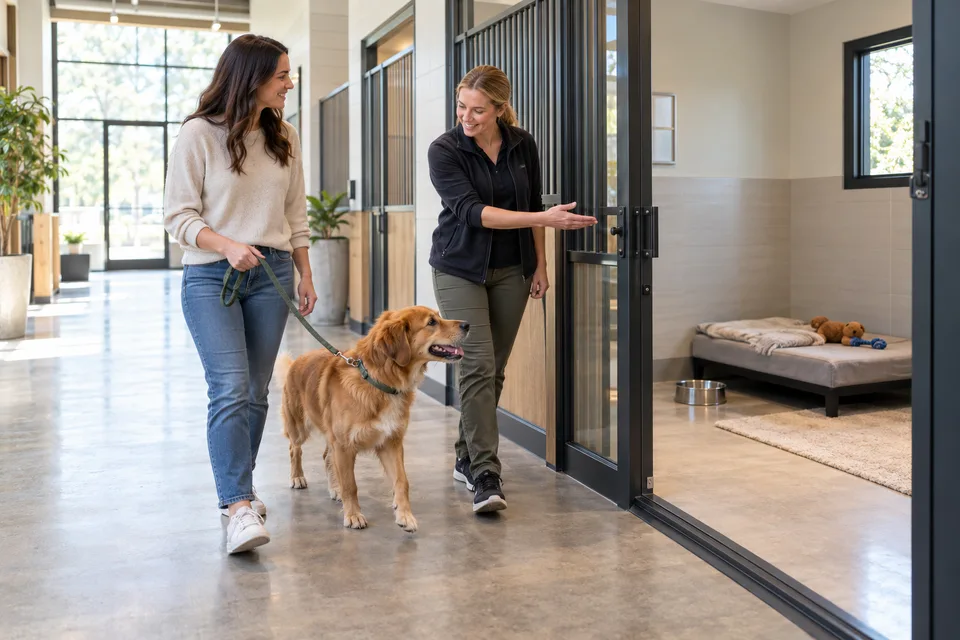
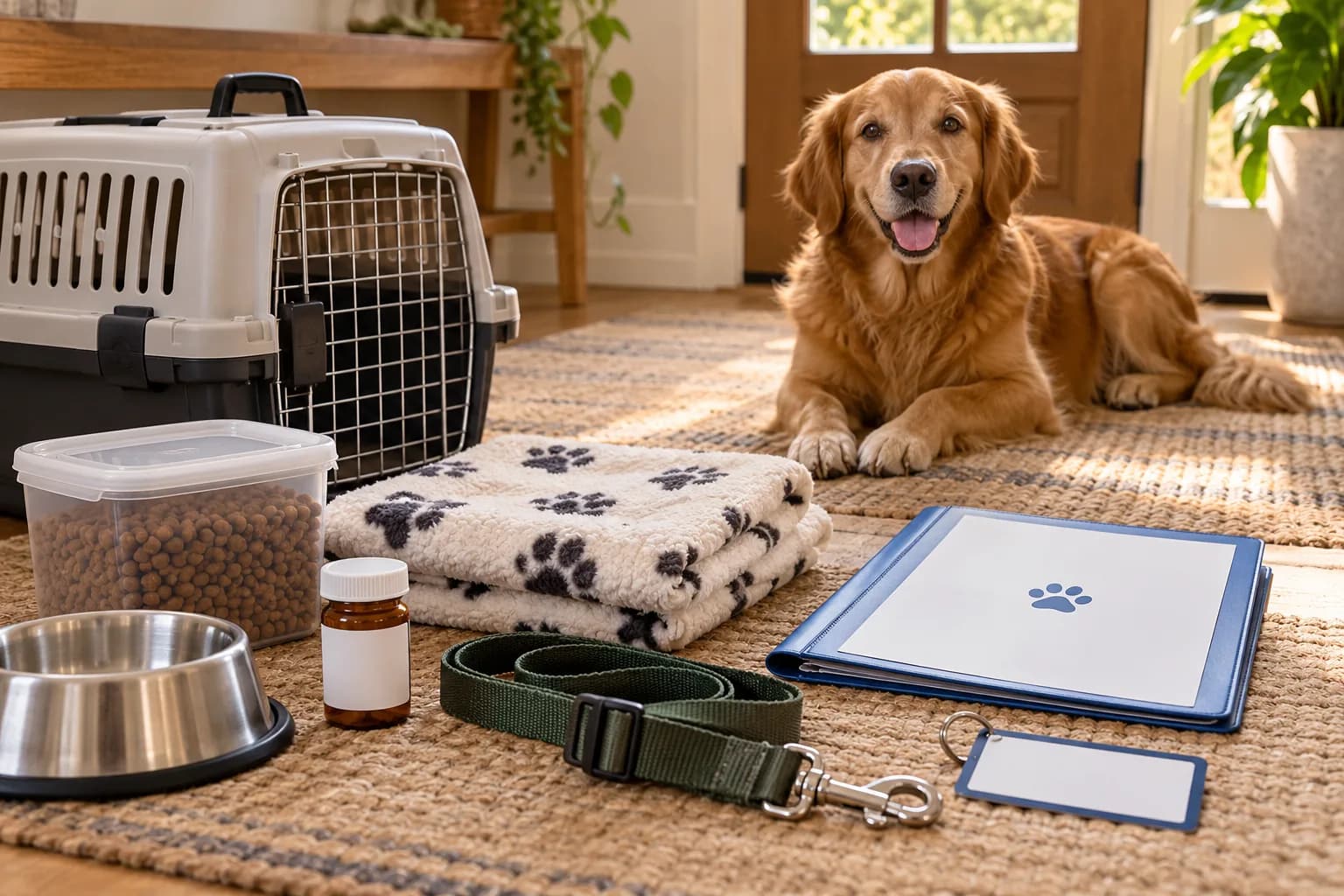
Ask the specific boarding facility for its current entry, vaccination, medication, food, identification, drop-off and emergency requirements, then compare them with your veterinarian's plan for this pet. Confirm what the facility will supply, what must remain in original labeled packaging, and how completed meals or medicines are recorded. Leave current medical and vaccination records, regular and emergency veterinary contacts, an owner and backup contact, exact feeding and medication instructions, and a familiar routine summary. Test the carrier, leash and access plan before drop-off; do not create a new vaccine or medication schedule from a generic checklist.
Sources: AVMA: Who is in charge of your animals' care while you are away? · AAHA: Canine vaccination guidance and high-density environments · AAHA/AAFP: Core vaccines for pet cats · AAHA: Canine life-stage checklist
Make food and medication handoffs exact
Write the pet, exact food, existing daily total, meal amount, unit and completion record. Keep medication name, label directions and exception plan in a separate handoff.
AVMA recommends leaving current medical and vaccination information and clear care instructions when someone else is responsible. Confirm whether original containers are required.
Do not combine loose tablets or change feeding quantities to fit the facility's schedule without veterinary direction.
Sources: AVMA: Who is in charge of your animals' care while you are away?
A fictional boarding handoff
Fictional example: Milo's owner learns that the facility requires records before arrival and accepts owner-supplied food only in labeled meal portions. Milo's veterinarian answers a separate health question.
The owner writes 'Milo—existing plan: 85 g at 7 am and 85 g at 6 pm; mark offered and eaten,' instead of 'one scoop twice a day.' A backup contact is confirmed.
The numbers demonstrate a clear handoff, not a recommendation for another pet or a new amount for Milo.
| Field | Clear entry | Avoid |
|---|---|---|
| Food | Exact recipe and 85 g per listed meal | One scoop |
| Completion | Offered/eaten and time | Fed |
| Health record | Sent; receipt confirmed | Probably on file |
| Backup | Named person confirmed | Call anyone |
Test the physical day before drop-off
Check the actual carrier or leash, identification, route, arrival window and who can collect the pet if plans change. Let the facility explain permitted comfort items and labeling.
Keep a recent photo and the pet's ordinary behavior, handling sensitivities, toileting routine and stress signals in the handoff. Do not promise that a familiar item will prevent stress.
Ask how appetite, elimination, behavior and administered medicines are documented and communicated.
Sources: AAHA: Canine life-stage checklist · AVMA: Who is in charge of your animals' care while you are away?
Draft the handoff, then confirm receipt
My Pet Notes stores a local draft; it does not transmit records or instructions to a facility.
Send information through the facility's approved channel and confirm receipt. Keep a copy with your travel contacts.
After pickup, ask for the actual meal, medicine and observation log instead of relying on a general verbal summary.
- Facility requirements and veterinary advice have separate sources.
- Food uses an exact existing amount and unit.
- Medicine remains tied to its label and veterinarian's plan.
- Owner, backup and veterinary contacts are confirmed.
FROM THE GUIDE · INTO THEIR EVERYDAY
A boarding handoff
Separate facility requirements, veterinary advice, food, medicine and emergency contacts.
Draft my boarding handoffChoose their notebook, add your own details, then save. Free, no account. Notes stay in this browser.
THE NEXT QUESTIONS
What else might you be wondering?
Is there one vaccination checklist for every boarding facility?
No. Confirm the facility's current acceptance rules and ask the veterinarian what is appropriate for the individual pet and exposure context.
Sources: AAHA: Canine vaccination guidance and high-density environments · AAHA/AAFP: Core vaccines for pet cats
Can I write 'one scoop' for food?
Use the exact existing meal amount and unit, plus the exact food identity. A scoop without its size and recipe is ambiguous.
Sources: AVMA: Who is in charge of your animals' care while you are away?
Does saving a note send it to the boarding facility?
No. Send it through the facility's approved method and confirm receipt; PetCheck's note remains local to this browser.
Sources: AVMA: Who is in charge of your animals' care while you are away?
LOOK CLOSER AT THE EVIDENCE
Sources & what they establish
Official guidance, research findings and PetCheck’s practical interpretations have different roles. These notes explain how the sources were used.
Veterinary association owner guidance
AVMA away-care planning
Supports current medical and vaccination records and clear instructions for a caregiver.
Limit: It does not state a particular facility's current acceptance rules.
Sources: AVMA: Who is in charge of your animals' care while you are away?
Vaccination and life-stage guidance
AAHA/AAFP lifestyle context
Supports discussing boarding or high-density exposure in individualized preventive-care planning.
Limit: It does not create a universal vaccine product or timing requirement for every pet.
Sources: AAHA: Canine vaccination guidance and high-density environments · AAHA/AAFP: Core vaccines for pet cats · AAHA: Canine life-stage checklist
Sources checked 2026-10-25. Examples are fictional and illustrate reasoning, not patient outcomes. This is an editorial source review, not independent veterinary review. How we prepare these guides →
FOR ANOTHER VISIT
Keep this guide close.
Save it to read again, or copy a link to share.
ONE QUESTION CAN LEAD TO ANOTHER
A useful next read.
Choose the question that fits what you want to understand next.
 AI-generated editorial scene
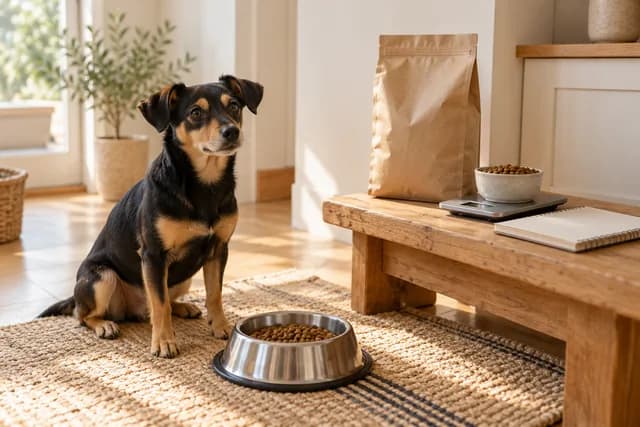
What feeding instructions should I leave a pet sitter?
Write exact food identity, amount, unit and completion details in a separate handoff.
Read the guide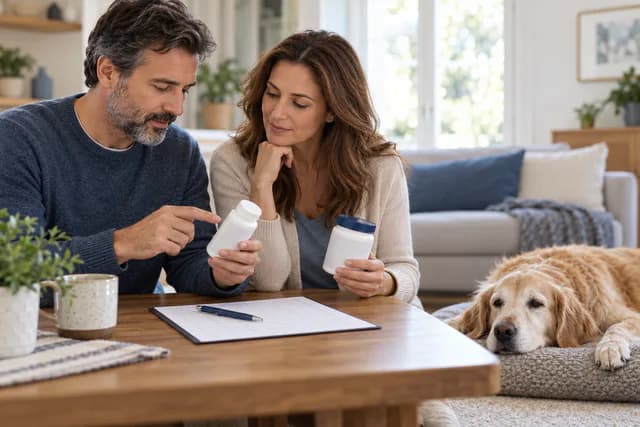 AI-generated editorial scene
What medication instructions should I leave a pet caregiver?
Keep prescription labels and the veterinarian's exception plan exact.
Read the guide