PREPAREDNESS · EMERGENCY ROUTE
How should I choose an emergency veterinary clinic before I need one?
Check species, hours, call-first instructions, route and backup without assuming a directory listing guarantees care.
THE DIRECT ANSWER
Choose a primary and backup emergency clinic by verifying the information directly with each clinic: species served, current emergency hours, whether you should call before leaving, how triage and arrival work, location and after-hours access, and what happens if the service is full or unavailable. Save the clinic's current phone number and route, then test the drive or transit plan without your pet. Recheck periodically because service conditions change. During an active emergency, follow professional instructions and go promptly; do not pause to compare amenities or online reviews.
Sources: Cornell: Emergency and Critical Care · AAHA: How to choose a veterinarian
Verify service facts at the source
A map listing can be stale. Use the clinic's own site or phone line to confirm species served, emergency hours, call-first expectations and entrance details.
AAHA recommends asking a regular practice about emergency availability and what happens after hours. Your regular clinic may identify a preferred emergency route or records-sharing process.
Record the date checked. 'Open 24/7' is still not proof of capacity for a particular species or case tonight.
| Check | Primary clinic | Backup clinic |
|---|---|---|
| Species and service | Confirm directly | Confirm directly |
| Hours/call first | Record exact instruction | Record exact instruction |
| Arrival/entrance | Save current route | Save current route |
| If unavailable | Ask what to do | Ask what to do |
Sources: Cornell: Emergency and Critical Care · AAHA: How to choose a veterinarian
Test the route when nothing is wrong
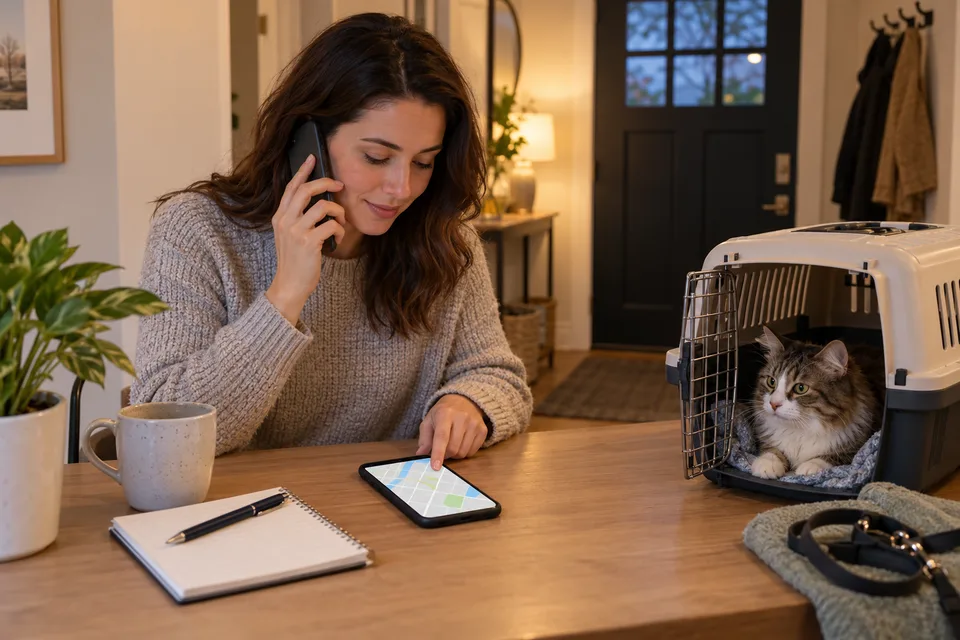
Plan the route, parking or drop-off area, after-hours entrance, carrier or restraint, and who drives or calls. A calm route check exposes locked gates, building confusion and weak phone coverage.
Keep an offline address and phone number. A phone map is helpful, but the saved plan should remain understandable when a battery or signal fails.
Do not bring a healthy pet to simulate an emergency intake. Test only the household logistics.
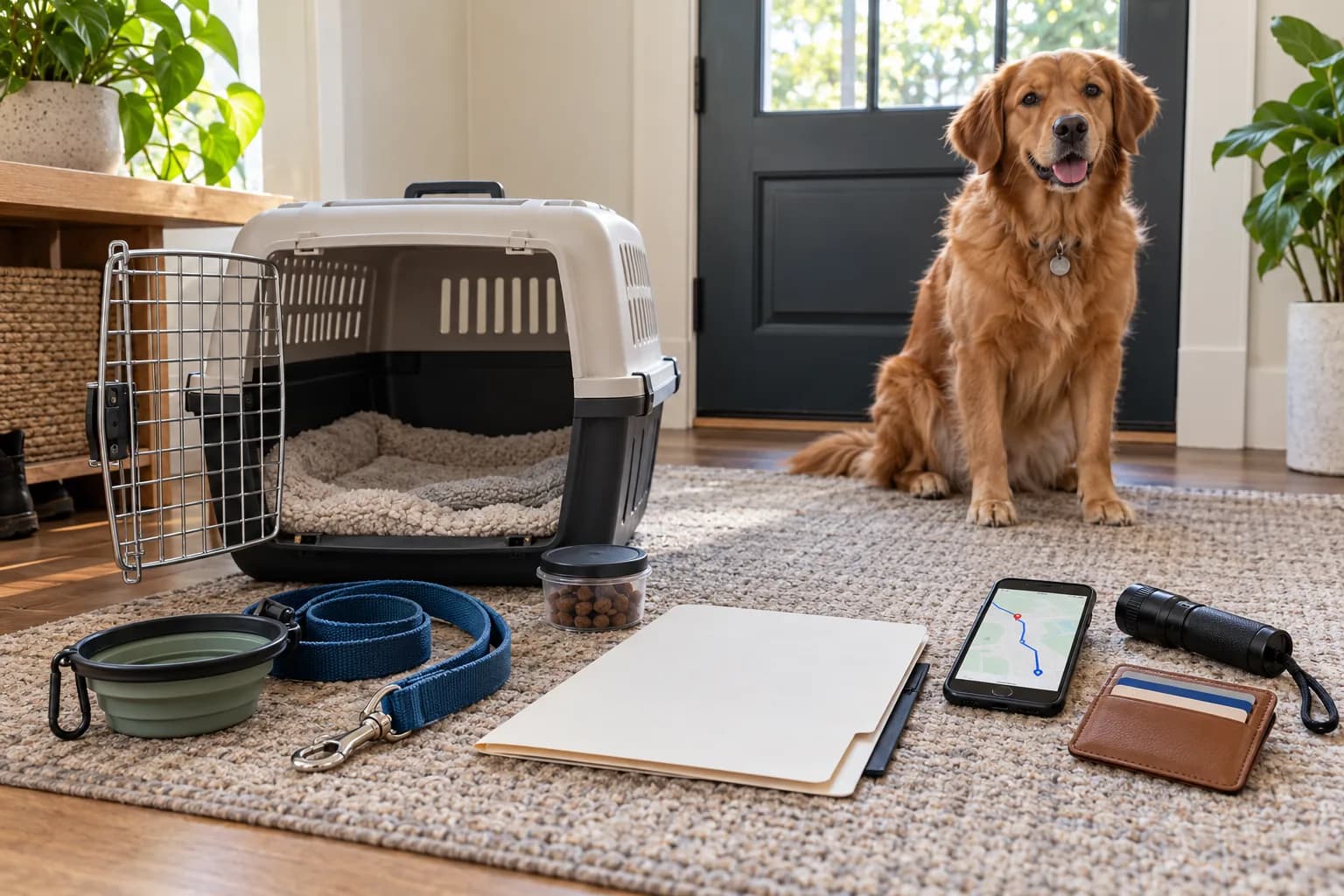
A fictional primary-and-backup plan
Fictional example: Kai records Clinic A as the primary because it currently serves dogs and cats overnight and asks owners to call en route. Clinic B is the backup and has a different after-hours entrance.
The household drives both routes on a quiet afternoon without a pet, saves the phone numbers, and notes that Clinic A's map pin leads to the daytime entrance.
This plan does not promise either clinic will have capacity when needed. The household will still call and follow live direction.
| Item | Clinic A | Clinic B |
|---|---|---|
| Verified | Own site/phone, Oct 25 | Own site/phone, Oct 25 |
| Arrival | Call en route; east entrance | Call first; after-hours door |
| Route issue | Map pin shows day entrance | Longer drive |
| Boundary | Capacity unknown until contact | Capacity unknown until contact |
Make the emergency handoff findable
Keep the pet's name, species, current medicines, major conditions, regular veterinarian, owner contact and any live incident facts together. Bring original packages for possible exposures when safe.
A concise current summary helps; it does not replace the medical record or the clinic's intake questions. Ask your regular clinic how records can be shared.
Place a carrier, leash and towel where the household can reach them. Equipment should fit the actual pet and vehicle.
Sources: AAHA: How to choose a veterinarian
Save two usable routes and recheck them
My Pet Notes stores the household plan locally. It does not call the clinic, check capacity or share records.
Recheck after a move, phone-number change, route closure or notice from the regular clinic. Otherwise choose a recurring household review date.
Make sure another caregiver can find the same plan without unlocking your personal account.
- Species, hours and call-first instructions were verified directly.
- A primary and backup route are saved.
- After-hours entrances and access were checked.
- The plan states that availability must be confirmed live.
FROM THE GUIDE · INTO THEIR EVERYDAY
An emergency-clinic route plan
Verify current service, arrival instructions, route and backup. This does not guarantee availability.
Draft my clinic route planChoose their notebook, add your own details, then save. Free, no account. Notes stay in this browser.
THE NEXT QUESTIONS
What else might you be wondering?
Is the closest clinic always the right primary route?
Distance matters, but first verify species, service, hours and arrival instructions. Keep a backup because availability can change.
Sources: Cornell: Emergency and Critical Care
Should I rely on an online map's open-hours label?
No. Confirm on the clinic's own current channel and record when you checked.
Sources: Cornell: Emergency and Critical Care
Should I compare reviews during an emergency?
No. In an active emergency, contact emergency care and follow live instructions promptly; do comparison work beforehand.
Sources: AAHA: How to choose a veterinarian
LOOK CLOSER AT THE EVIDENCE
Sources & what they establish
Official guidance, research findings and PetCheck’s practical interpretations have different roles. These notes explain how the sources were used.
University hospital service guidance
Cornell Emergency and Critical Care
Supports checking the current service, contact and triage route.
Limit: One hospital's intake details cannot establish another clinic's hours or capacity.
Sources: Cornell: Emergency and Critical Care
Accreditation organization owner guidance
AAHA choosing a veterinarian
Supports asking about emergency availability, backup arrangements, hours and services.
Limit: It is a planning framework, not a real-time directory or capacity guarantee.
Sources: AAHA: How to choose a veterinarian
Sources checked 2026-10-25. Examples are fictional and illustrate reasoning, not patient outcomes. This is an editorial source review, not independent veterinary review. How we prepare these guides →
FOR ANOTHER VISIT
Keep this guide close.
Save it to read again, or copy a link to share.
ONE QUESTION CAN LEAD TO ANOTHER
A useful next read.
Choose the question that fits what you want to understand next.
 AI-generated editorial scene
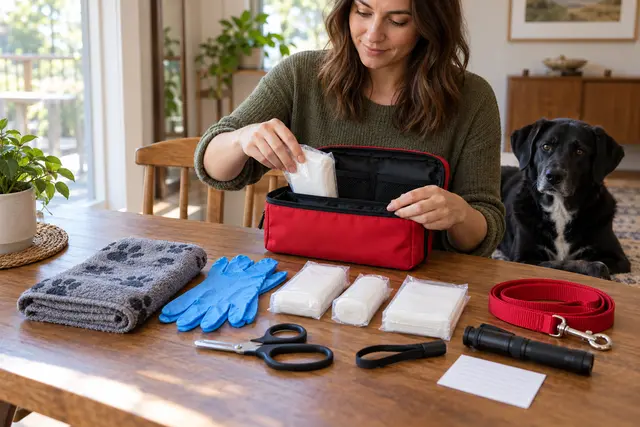
How should I build and check a pet first-aid kit?
Keep current contacts, records and transport supplies ready for the verified route.
Read the guide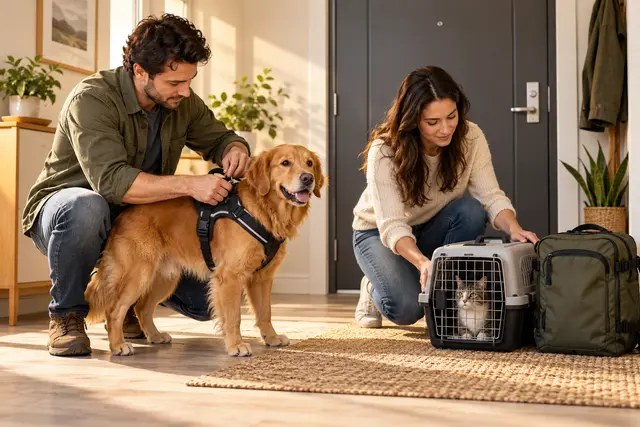 AI-generated editorial scene
How should I practice an emergency evacuation with my pet?
Test household roles and access separately from clinic service availability.
Read the guide